
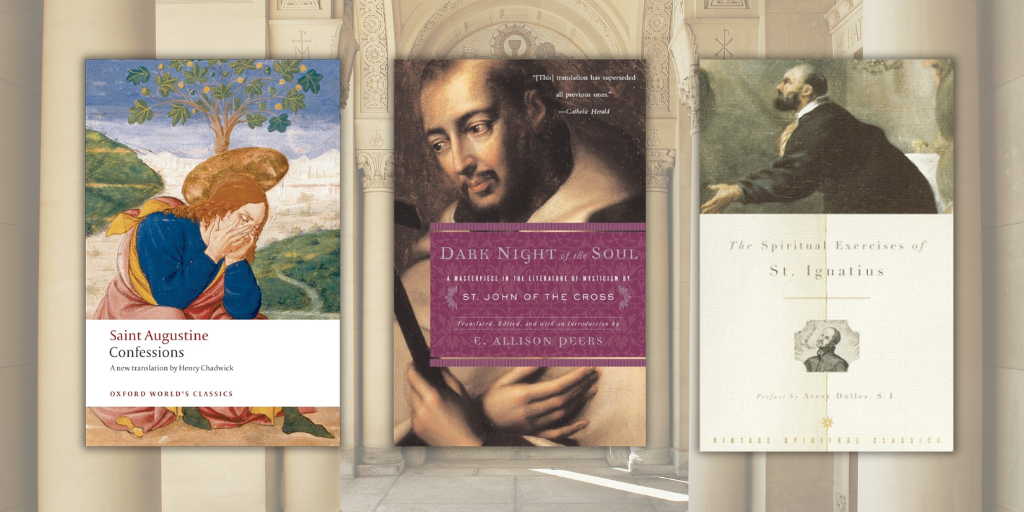
Throughout history, Christian mystics have made significant contributions to the Church. By pursuing a greater understanding of both God and self, they have sought intimate union with God and an elevation of the soul through contemplation and experience, inspiring the faithful to this day.
From St. Augustine, who wrote the “first autobiography of the West,” to St. Ignatius of Loyola, whose Spiritual Exercises is now a foundational text for the largest Catholic religious order in the world, Catholic mystics offer a wealth of wisdom. In today’s Basilica Book Club post, we invite you to explore five classic works of mystic literature that every Catholic should read.
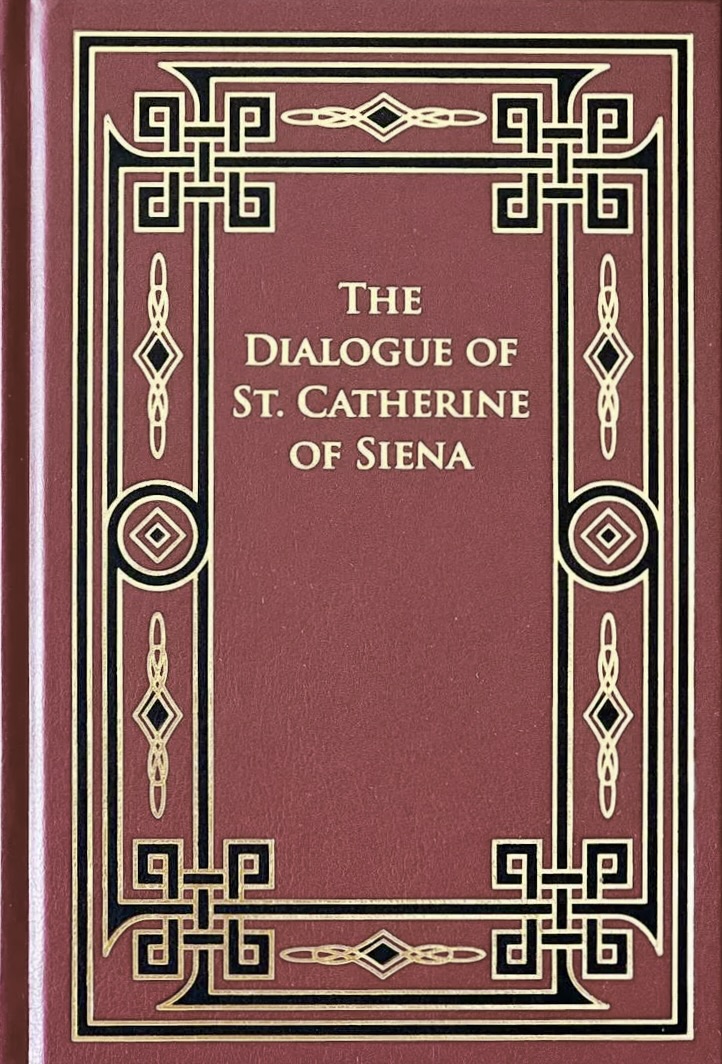 The Dialogue of St. Catherine of Siena
One of only four women to be declared a Doctor of the Church, St. Catherine of Siena is recognized as one of the most remarkable mystical theologians of the Middle Ages. The Dialogue of St. Catherine of Siena treats the whole of human spiritual life in the form of a series of colloquies between the Eternal Father and the human soul, represented by Catherine herself. Using an unusual structure, the saint makes four petitions to God – for herself, for the Church, for the whole world, and for the assurance of God’s providence in all things. What follows in the remainder of the book is Catherine’s vision of God’s response to these four petitions.
Dark Night of the Soul
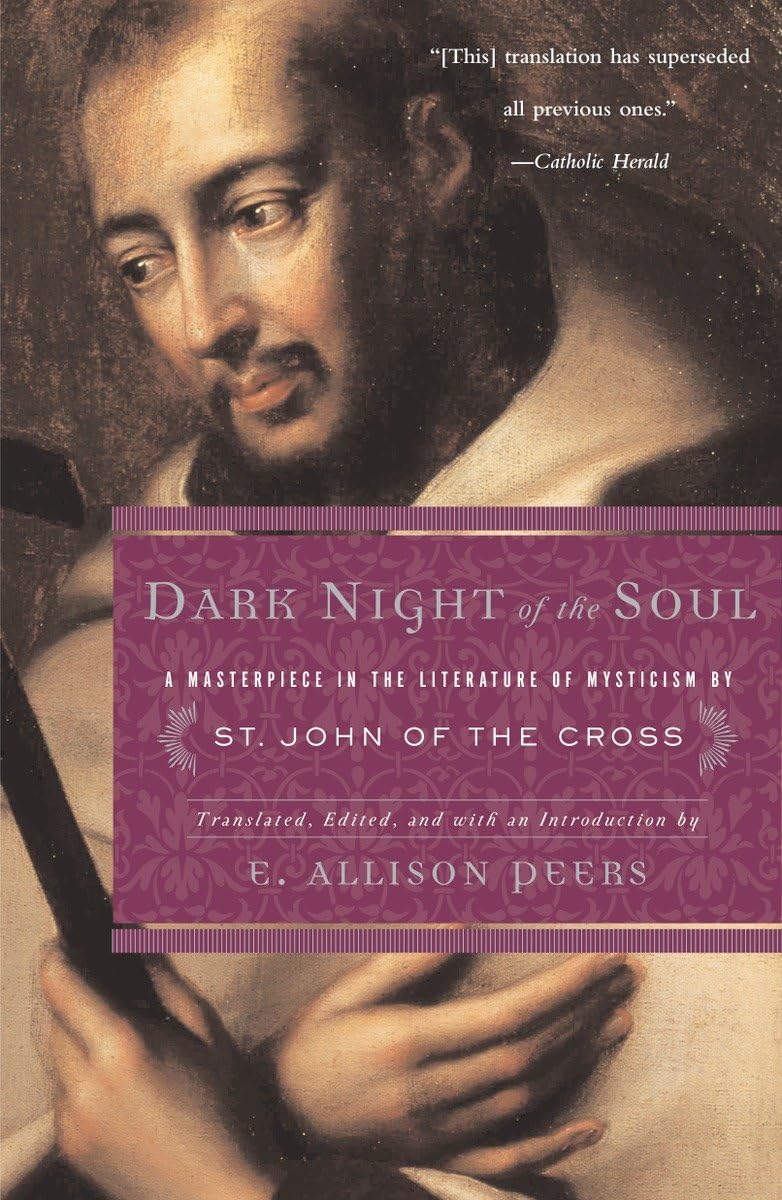 After being arrested for his ascetic reforms during the Spanish Inquisition, St. John of the Cross was made prisoner in Toledo for eight long months. During his imprisonment, he was kept in solitary confinement, barely receiving enough food to stay alive, and suffering merciless torture. While many would find their souls withering in such conditions, John poured himself into a poem called Dark Night of the Soul. Today, this iconic work remains a classic of mystical literature.
In Dark Night of the Soul, St. John of the Cross takes us on a journey into ourselves, a journey of knowledge and self-understanding, that encompasses our failings and imperfections. The book shows us how we can embrace sadness and grief, and by seeking God, experience renewal. He describes the “arid and dark night of contemplation” which leads us to “the knowledge of oneself and of one’s misery.” True knowledge of our self and of our condition shows how far we must go to find God, who our restless hearts incessantly seek.
Dark Night of the Soul describes how first the senses, and then the spirit undergo a series of purgation, which aids in bringing it closer to God, and eventually preparing it for union with Him. For after the dark night, comes the joy of mystical union with God.
The Interior Castle
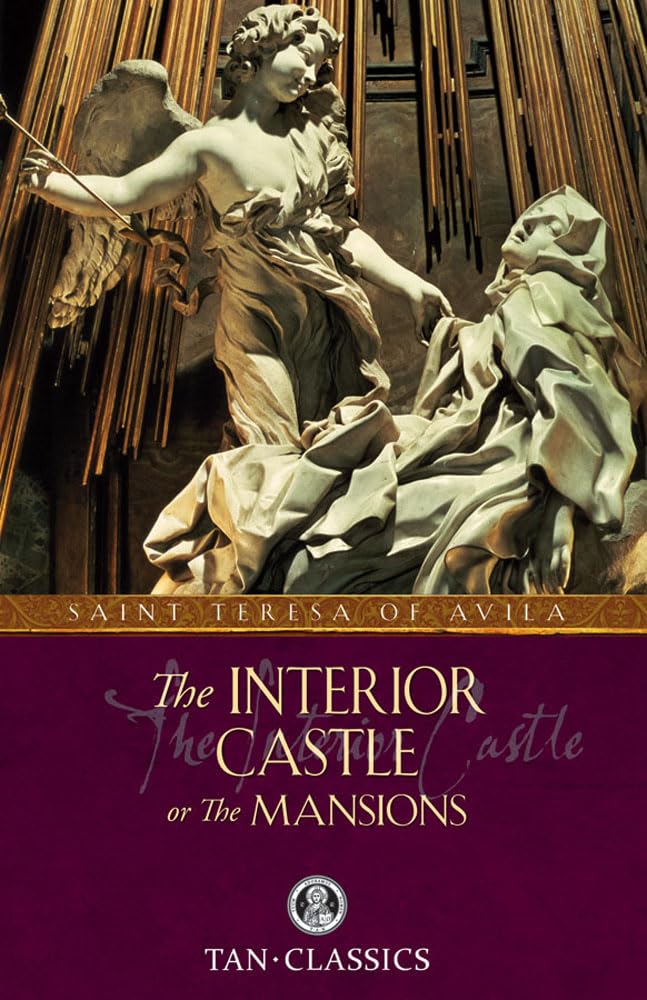 This classic work by the Carmelite nun St. Teresa of Ávila presents a remarkable description of spiritual life as a journey through what she called “The Interior Castle.” She sees the soul as a magnificent castle full of rooms which each lead deeper into the heart of the castle to the seat of the King. However, she laments that most people give all their attention to the outer wall of the castle – the body – ignoring the beauty of the soul within.
Teresa gives practical advice regarding the early struggles and the temptations to turn back which beset the beginner. She describes each of the seven mansions and urges us forward to love and serve the Divine Majesty, imparting her absolute conviction that progress toward God through prayer is worth vastly more than all the treasures of this earth.
Teresa’s writing style is peculiar, yet poignant. By modern standards it would be described as “stream-of-consciousness” style, bereft of any edits or revision. Translated from The Autograph of St. Teresa of Jesus by the Benedictines of Stanbrook, this edition includes notes and an introduction by the Very Rev. Fr. Benedict Zimmerman, O.C.D.
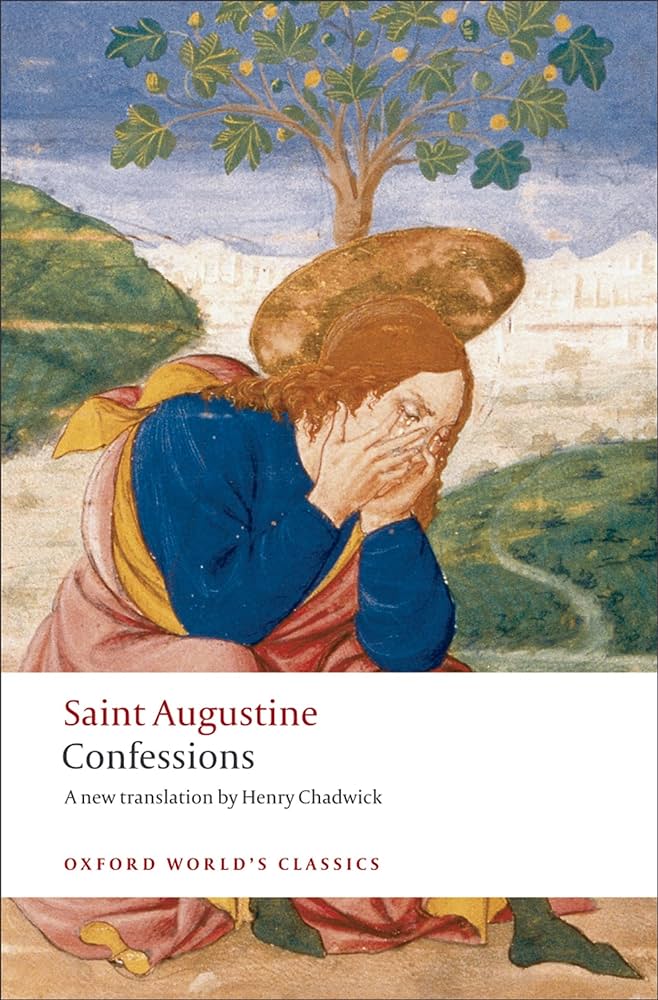 Saint Augustine’s Confessions
“You called and cried out loud and shattered my deafness. You were radiant and resplendent, you put to flight my blindness.”
By some accounts, Augustine’s Confessions is considered the first autobiography of the West, and is perhaps the “most widely read book of Christian antiquity.” In this new translation, the brilliant and impassioned descriptions of Augustine’s colorful early life are conveyed to the English reader with accuracy and art. Augustine tells us of his struggles against sin, his rare ascent from a humble Algerian farm to the edges of the imperial court of Milan, and his renunciation of secular ambition and marriage as he recovered the faith.
This translation, which includes an introduction and notes by Henry Chadwick, has been called “a masterpiece beyond clarification,” and “a work of high art.”
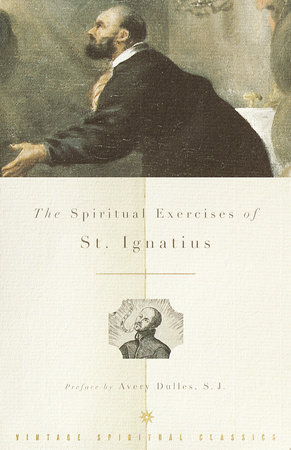 The Spiritual Exercises of St. Ignatius
A knight whose injury and subsequent convalescence led him to faith, St. Ignatius is known as the founder of the Jesuit Order. In his search for spiritual enlightenment, he traveled on pilgrimage to the shrine at Our Lady of Montserrat, and in the months that followed, wrote the work that would become a classic of mystic literature: The Spiritual Exercises. Embodying fundamental spiritual principles essential to authentic Christian living, it is the core work of religious formation for members of the Society of Jesus, and has been printed in numerous languages for over 400 years.
In this volume, you’ll find the mystical insights informing Ignatius’s own relationship with God: that the divine love of God is providentially present in all the details of our existence. Here, Ignatius shows how the faithful can be joined to God in all things, according to the Jesuit motto, Ad majorem Dei gloriam – “For the greater glory of God.”
*Book descriptions adapted in part from their respective publishers.
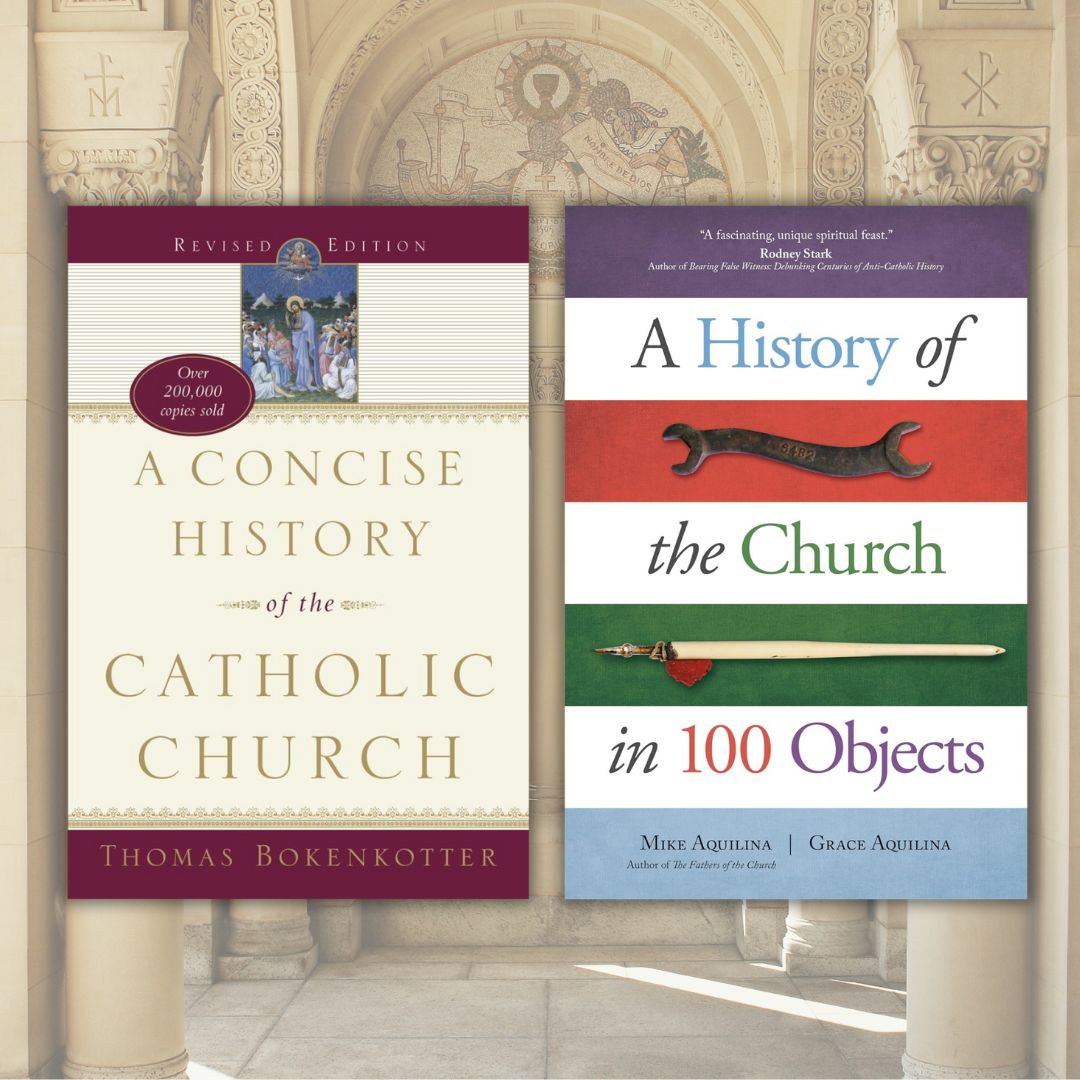
Looking for more book recommendations?
In “Crash Course: 5 Books on Church History for Every Catholic,” discover five books about how God has used faithful men and women throughout the centuries to further His kingdom and what it means for you today.