Every March, the Church celebrates many saints with feast days and memorials, honoring their unique contributions to the faith and reflecting on their examples of service. From the earthly father of Jesus to the patron saint of Ireland, they each have something to teach us. Read about four saints celebrated in March and why you should know their stories.
March 7 – Saints Perpetua and Felicity
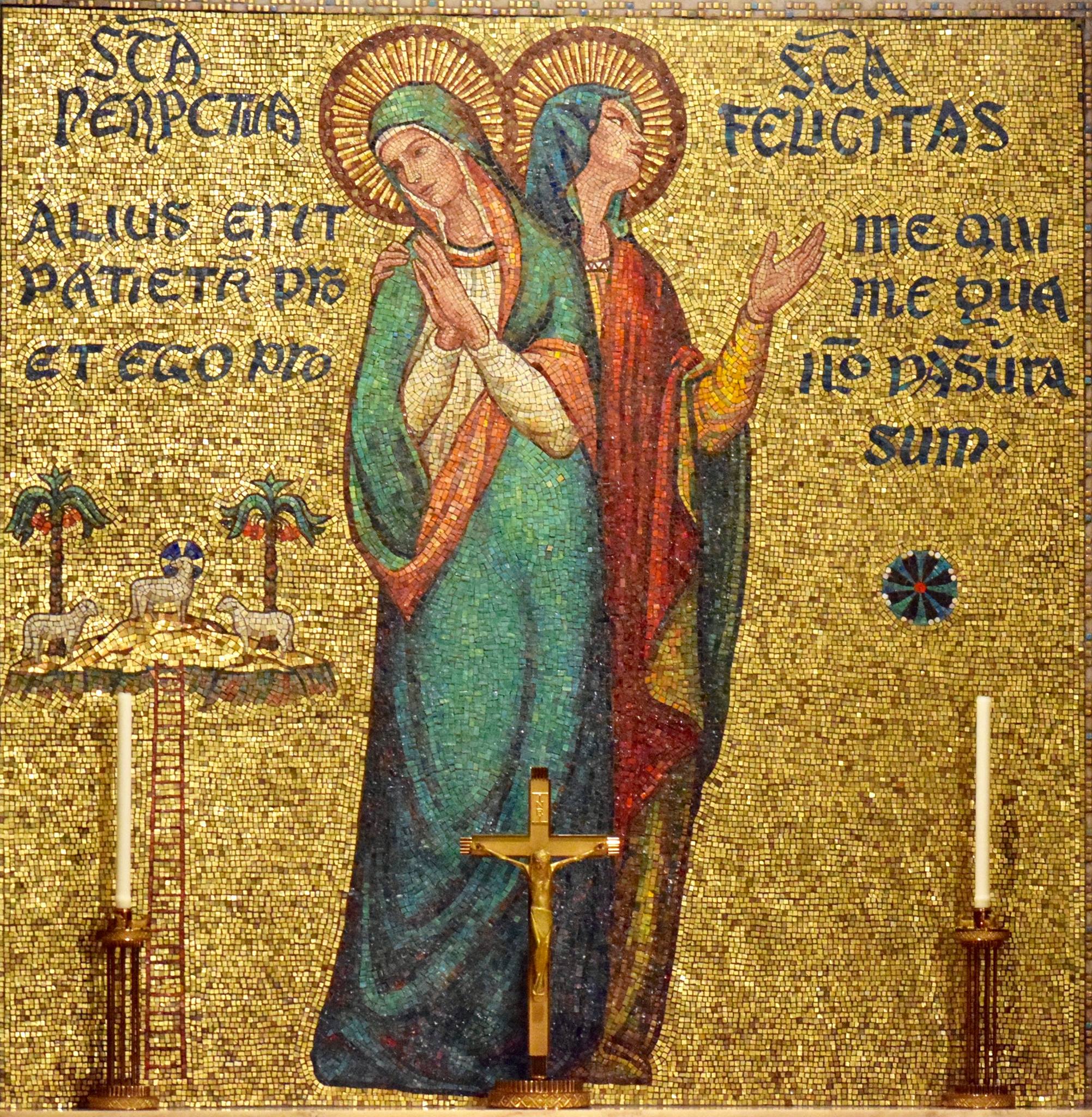
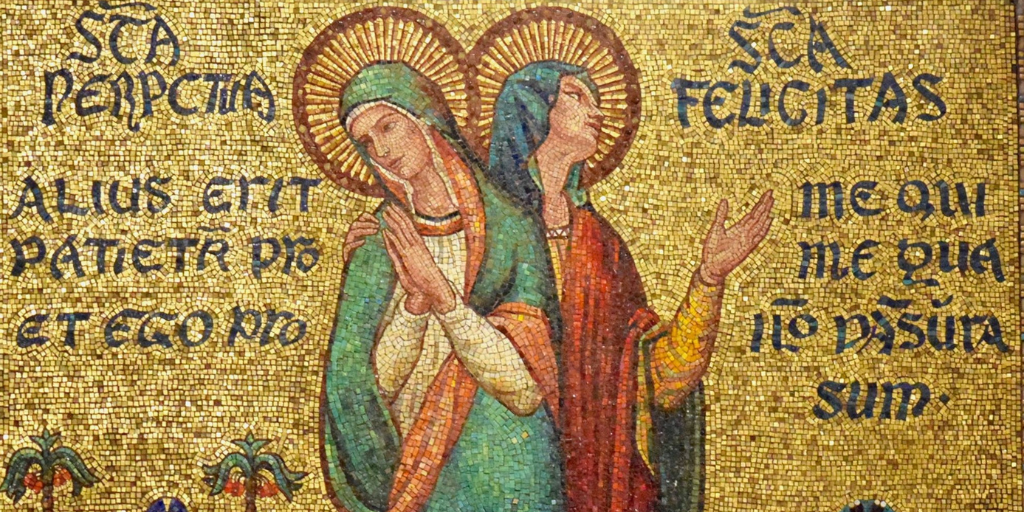
Celebrated on March 7, Saints Perpetua and Felicity, a young noblewoman and her slave, lived in Carthage during the reign of emperor Severus in the early 200s. When they were discovered professing the name of Christ, Perpetua and Felicity were arrested. Prior to their arrest, the women had been studying the Scriptures and were preparing for baptism. They were baptized in prison by their teacher, who was imprisoned with them, and their faith so inspired the prison warden that he converted to Christianity. Though they were sentenced to death, with God’s peace in their hearts, the women remained serene in the face of their fate. At first, the two were thrown into an arena of wild animals, but they were not killed. Tragically, the women were later martyred when emperor Severus commanded that they be put to death by the sword.
Felicity gave birth to a son shortly before going to her death, saying, “Another will be within me, who will suffer on my behalf, seeing that it is for Him that I am to suffer.” You can find this text in Latin featured in the Saints Perpetua and Felicity Chapel in the Crypt Church.
March 17 – Saint Patrick
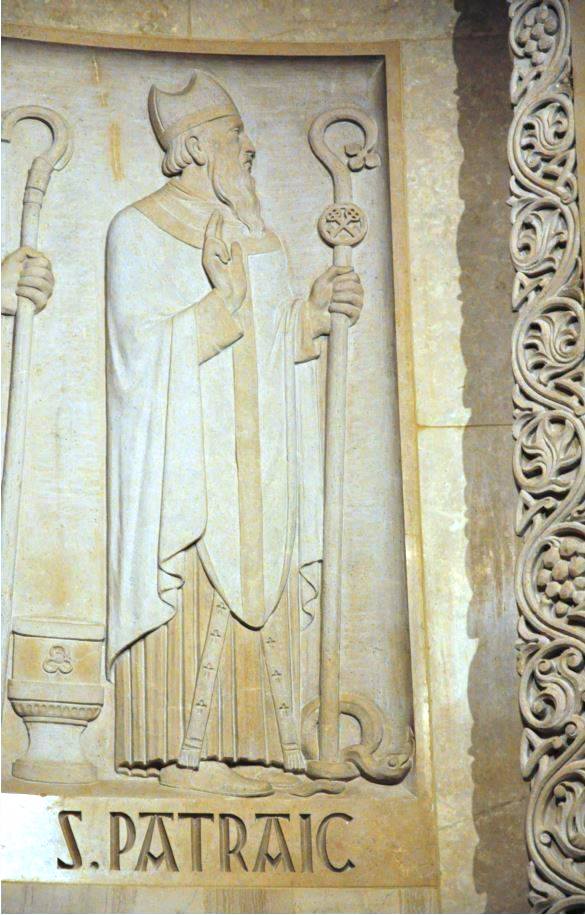
The son of a Roman civil servant living in Britain, Patrick is believed to have been born sometime around 390 A.D. At the age of 16, he was kidnapped by pirates and sold as a slave in Ireland. There, he was forced to work as an unpaid shepherd. As he wandered the hills with his flocks, he filled his hours with prayer and contemplation, developing a devout Christian faith.
After spending six years in captivity, Patrick managed to escape Ireland aboard a ship and travel back to his family. From there, he studied for the priesthood in Gaul, living in a monastery for 15 years. However, his business in Ireland was far from finished; he experienced repeated dreams that made it clear he needed to return to Ireland. In one such vision, the Irish people begged him, “Come back and walk with us once more.”
By 432, only a handful of individuals in Ireland were Christians. Patrick and his fellow missionaries faced an uphill battle, as many pagan druids opposed their efforts. Patrick traveled to the most remote parts of the island, proclaiming the Gospel where it had never been heard before. In spite of the challenges he faced, Patrick proved to be a formidable force for God, baptizing thousands of individuals, ordaining hundreds of clergy, and founding multiple monasteries. The framework of Christian churches put in place by Patrick helped Ireland eventually become one of the most Catholic countries in the world. Today, Saint Patrick is recognized as the patron saint of Ireland and is portrayed in the Basilica in the Northern Façade, the Founder’s Chapel, the Saint Brigid of Ireland Chapel, and the Mary Queen of Ireland Oratory.
March 19 – Saint Joseph
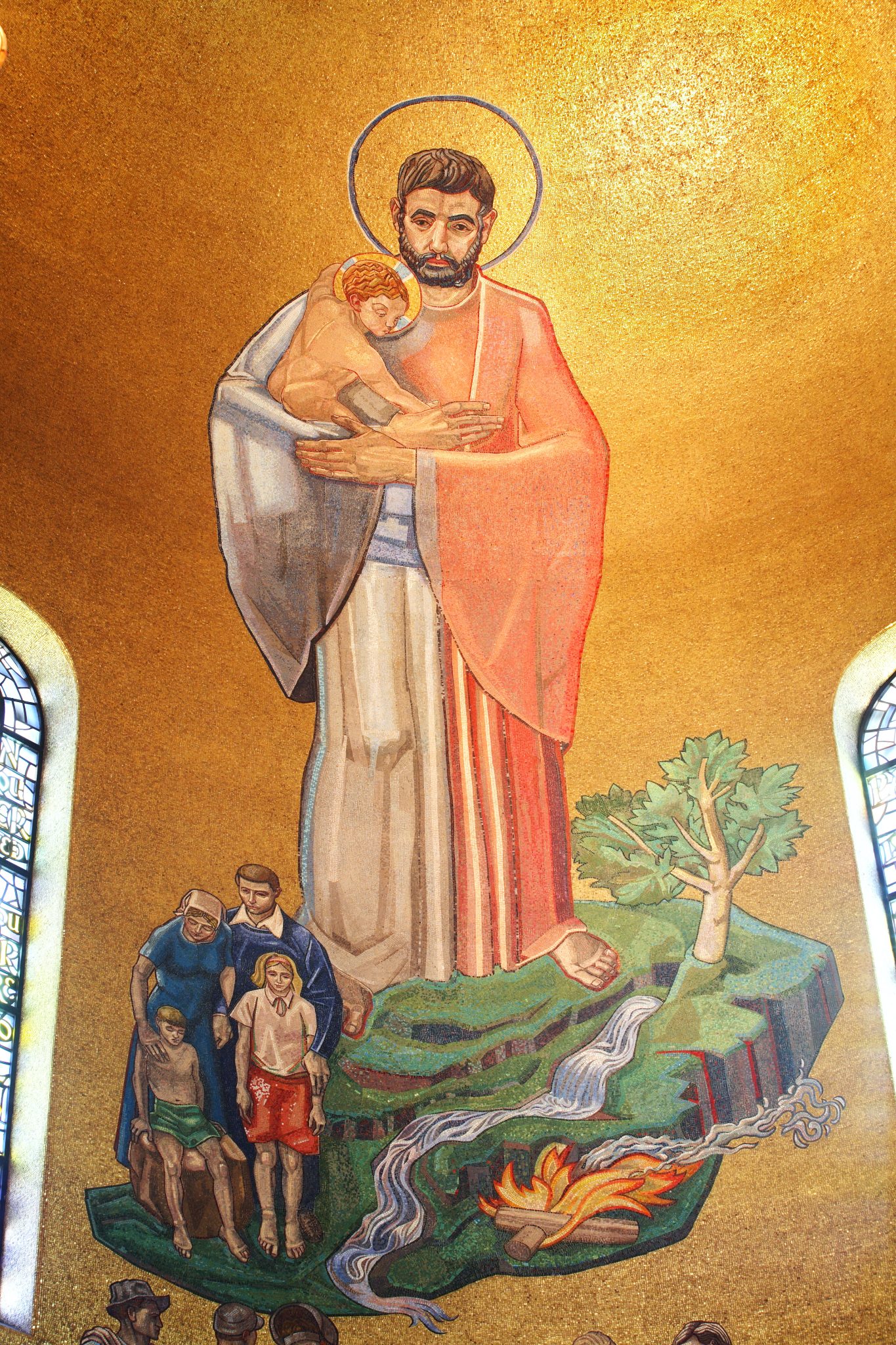
Though Joseph is only mentioned a few times in the Bible, the gospel accounts demonstrate his upright character and strength as the leader of his family, describing him as a “righteous man” (Matthew 1:19). When he learned that Mary was pregnant, he was going to break off their engagement quietly. But after the Lord spoke to him through an angel, he immediately set aside his plan, and instead, married her as the Lord commanded.
Joseph played an important part in Jesus’ early life, serving as a strong earthly father and protecting Jesus and Mary. We see this care and protection demonstrated in the account of the flight into Egypt, and also in his work as a carpenter to provide for his family.
In the Basilica, you can find Saint Joseph portrayed in the Saint Joseph Chapel, the Joyful Mysteries Chapels, the Saint Joseph Defender of the Church and Patron Saint of Workers Mosaic, the Holy Family at Rest Oratory, the Holy Family Oratory, a Narthex window in the Great Upper Church, the Our Lady of Czestochowa Chapel, and the Sacristy of the Great Upper Church.
Sources:
Butler’s Lives of the Saints, ed. by Bernard Bangley.
The Passion of Perpetua and Felicity, translated by W.H. Shewring, accessed via Fordham University.
The Way of Saints, Tom Cowan.