
In this fourth post in our Doctors of the Church series, we invite you to learn about three early Doctors of the Church and their contributions to the faith. From the pope who guided the Church after the fall of Rome, to the “Father of Scholasticism,” each of these men helped shape the doctrine of the Early Church and draw others closer to the truth of the Gospel.
Read Part I, Part II, and Part III of the Doctors of the Church series.
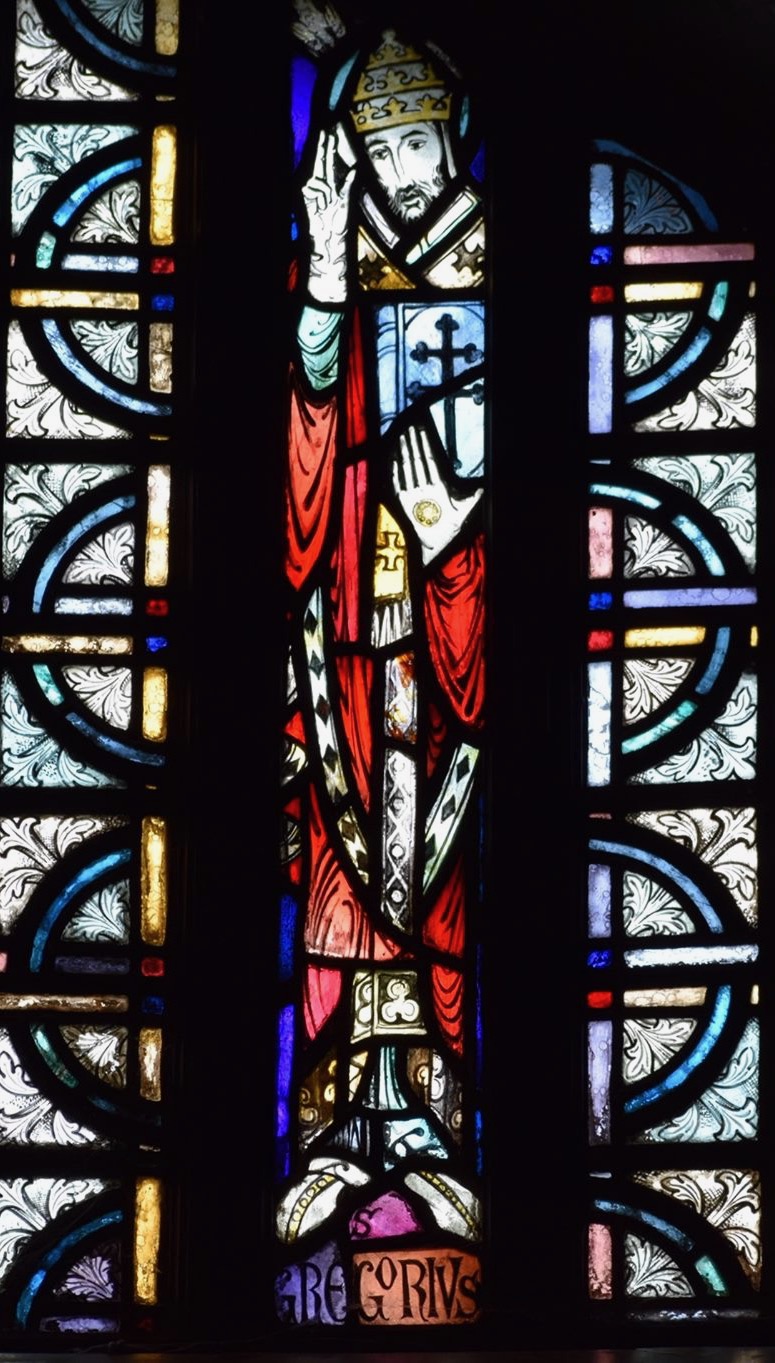
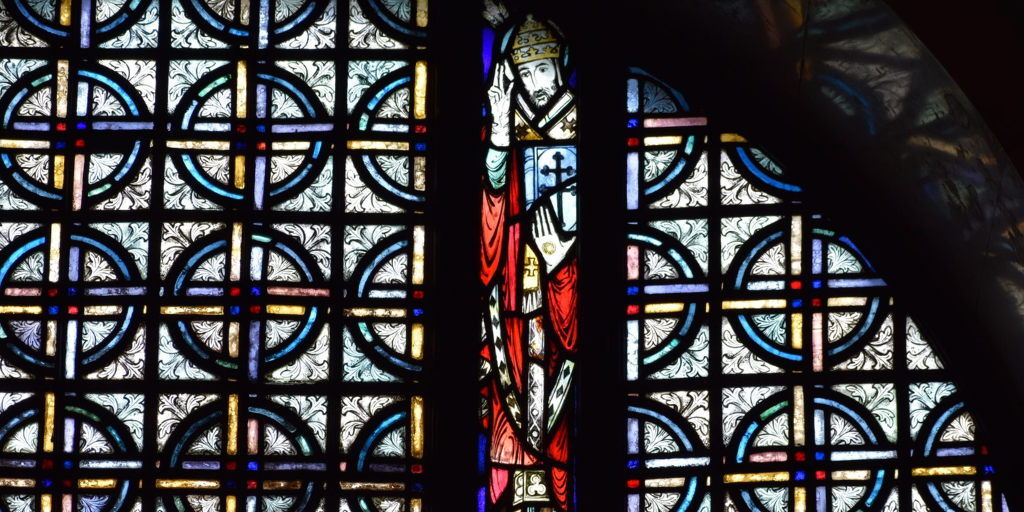
Saint Gregory the Great (c. 540-604)
Saint Gregory the Great was born in 540 into a family that had already known its share of greatness: two of his ancestors had been pope, and his father was one of the most affluent men in Rome. At age 30, Gregory became prefect of Rome, distinguishing himself with his exceptional management skills and unwavering integrity. After Gregory’s father died in 575, he began a chapter that he would later refer to as the happiest of his life, abandoning the world of politics to serve as a monk.
15 years later, Gregory became pope, a position that demanded political and spiritual leadership in the power vacuum of the era. In addition to coordinating responses to enemy invasions, Gregory also displayed compassion for the underprivileged. He provided food and clothing to the impoverished, defended the religious freedom of the Jewish people under his rule, and even served as a missionary in England for a time.
Pope Gregory was a prolific writer whose works were influential in the medieval period. During his lifetime, he penned over 800 letters and authored accounts of the lives of saints and other religious works. He was also involved in church music, writing many songs and hymns, and is most notably associated with the Gregorian chant. For his steadfast guidance, he is one of the few saints that have been granted the title of the “Great.”
Saint John Damascene (c. 690-749)
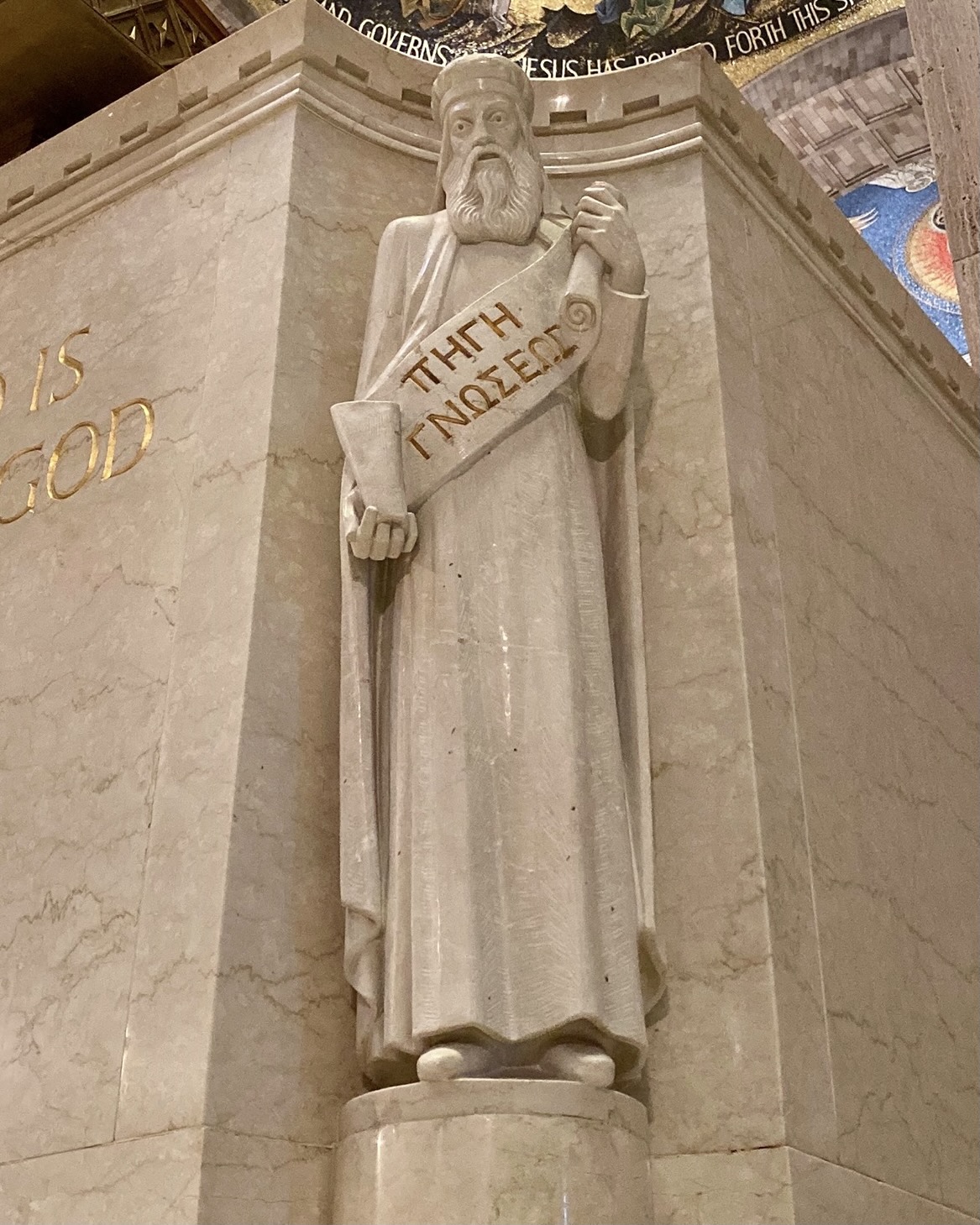
Born to a prosperous Christian family in 690, St. John Damascene was raised in Damascus, Syria, and received a robust education in science, mathematics, literature, and logic. After working as treasurer of the caliphate for a few years, John grew weary of the court lifestyle and journeyed to Israel, where he and his adopted brother Cosmas became members of the St. Sabas monastery near Jerusalem. It was there that John discovered his appreciation of art and began composing hymns and writing books with his brother.
Amidst the era’s debates over iconography, John and Cosmas promoted the idea that such depictions were not idols, but tools that could be used to encourage devotion and reverence among the faithful. Though the Byzantine emperors criticized John for his strong advocacy of iconography, he felt that God would want the faithful to appreciate wonder and beauty wherever it could be found.
After living at the monastery, John was ordained and served as a priest in Jerusalem before returning to the St. Sabas monastery, where he spent the remainder of his life. He continued his creative explorations, writing poetry as well as more serious works on theology, philosophy, morality, and Scripture. His three Discourses against those who calumniate the Holy Images are some of his most acclaimed works. John passed away in 749 at the age of 59 and was declared a Doctor of the Church by Pope Leo XIII in 1890.
Saint Anselm of Canterbury (1033-1109)
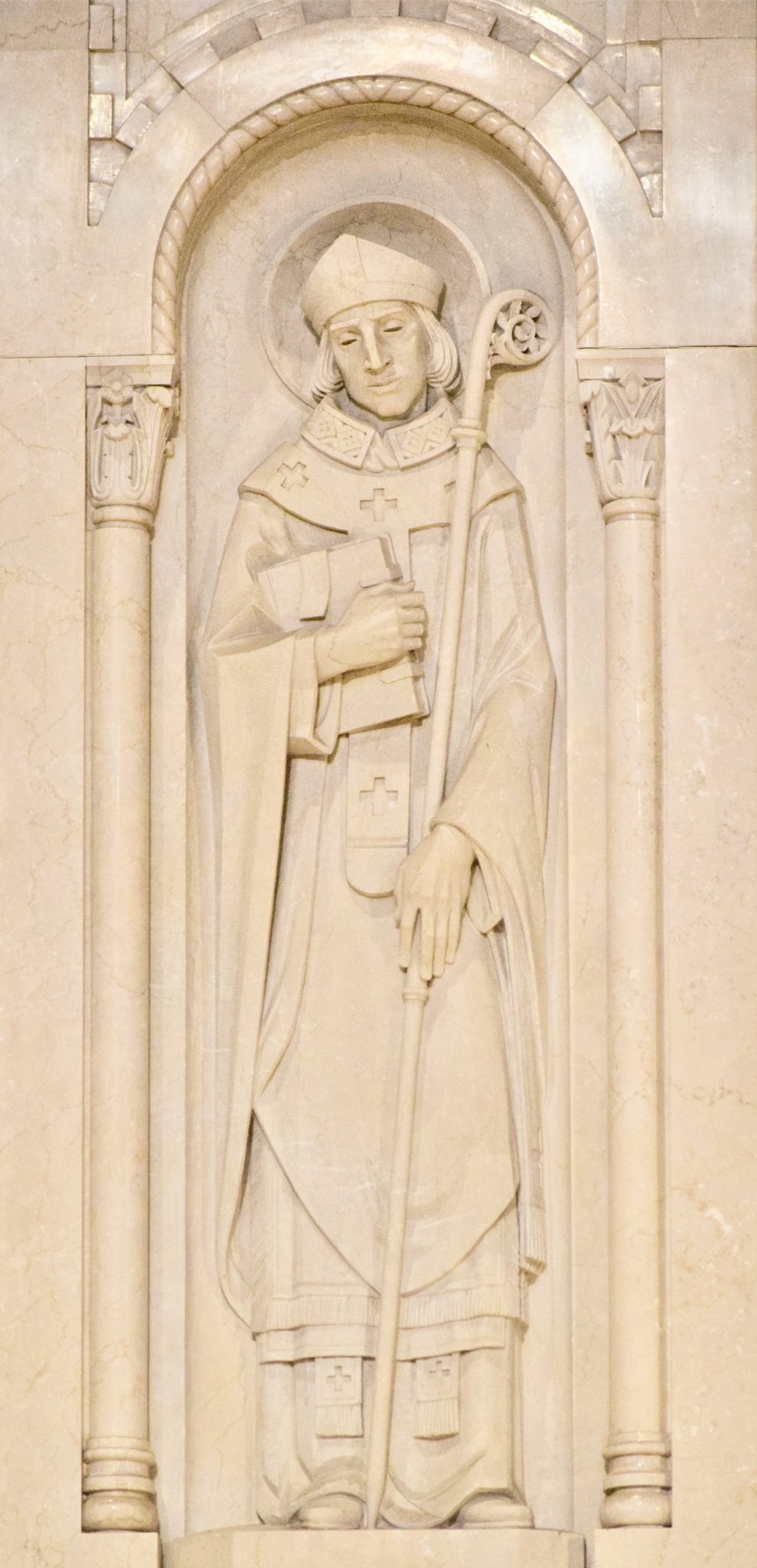
Called the “Father of Scholasticism,” Saint Anselm was a prolific theologian who was deeply committed to the harmony of faith and reason. Born in Aosta in 1033, he demonstrated intellectual promise from a young age. Though he decided to pursue monastic life at age 15, his father prevented him from doing so until nearly a decade later, when he joined the Benedictine Abbey of Bec in Normandy.
At age 59, Anselm was appointed Archbishop of Canterbury by the ailing King Rufus, who created the office while at death’s door. When King Rufus unexpectedly recovered, he thought better of the move, and decided to take the office’s revenues for himself, limiting Anselm’s ability to operate. And though Rufus’ successor seemed more accommodating at first, he became more hostile to Anselm as the years went by, ultimately sending him into exile from 1103 to 1106.
During his exile, Anselm made strides in winning public support and effecting political change. He became one of the first high-ranking individuals in Europe to denounce slavery, and is credited with the Westminster Council’s passage of a resolution renouncing the slave trade. Today, he is perhaps best known for making the first ontological argument for God’s existence, and for his theory of divine atonement and resurrection in Why God Became Man.
Sources:
“Benedict XVI – General Audience – St. Peter’s Square,” The Vatican.
Butler’s Lives of Saints, edited by Bernard Bangley.
Rohling, Geraldine M., PhD, MAEd. The Basilica of the National Shrine of the Immaculate Conception: Guide and Tour Book. Washington, D.C.: Basilica of the National Shrine of the Immaculate Conception, 2018.
“St. Anselm of Canterbury,” Britannica.
The Way of Saints, Dr. Tom Cowan.