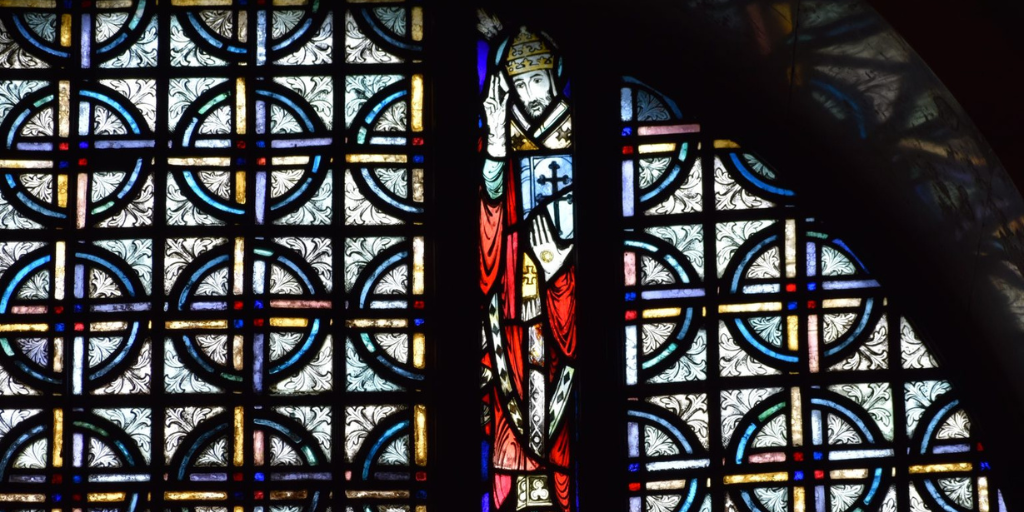
How much do you know about St. Pope Gregory I? Do you know why he is called “the Great,” or what iconic form of sacred music he is associated with? A compassionate leader who guided the people of Rome through famines, floods, and political unrest, he was one of the first saints to be named a Doctor of the Church.
As we celebrate the Memorial of Pope Gregory the Great on September 3, we invite you to discover five facts about his life and where you can find him portrayed in the Basilica.
1. Gregory turned his family’s estate into a monastery.
In the year 540, Gregory was born into a family that had already known its share of greatness: his great-great-grandfather had served as pope, and his father was one of the most affluent men in Rome. At age 30, Gregory became prefect of Rome, distinguishing himself with his exceptional management skills and unwavering integrity.
After Gregory’s father died in 575, he used his family’s wealth for the benefit of others, turning their estate into a monastery. Beginning a chapter that he would later refer to as the happiest of his life, he abandoned the world of politics to serve as a monk.
2. He is called Gregory the “Great” for his political and spiritual leadership.
15 years after his father died, Gregory became pope, a position that demanded political and spiritual leadership in the power vacuum of the era. He provided guidance through internal problems among the people of Rome, including floods, starvation, and the plague, as well as external, combating invading armies of Germanic Lombards and territorial advancements from the Byzantine emperor.
Not only did Gregory lead the people of Rome spiritually and politically, but he also displayed compassion for the underprivileged. He provided food and clothing to the impoverished and defended the religious freedom of the Jewish people under his rule. After seeing Anglo-Saxon slaves for sale in the market of Rome, Gregory also became an ardent advocate for sending missionaries to England.
3. He wrote over 800 letters during his lifetime.
Pope Gregory was a prolific writer whose works were influential in the medieval period. In addition to his hundreds of letters, he authored accounts of the lives of saints and other religious works, including a six-volume commentary on the book of Job.
4. Pope Gregory is associated with the Gregorian chant.
Gregory was very involved in church music, writing many songs and hymns, and is most notably associated with the style of Gregorian chant.
5. He called himself “the servant of the servants of God.”
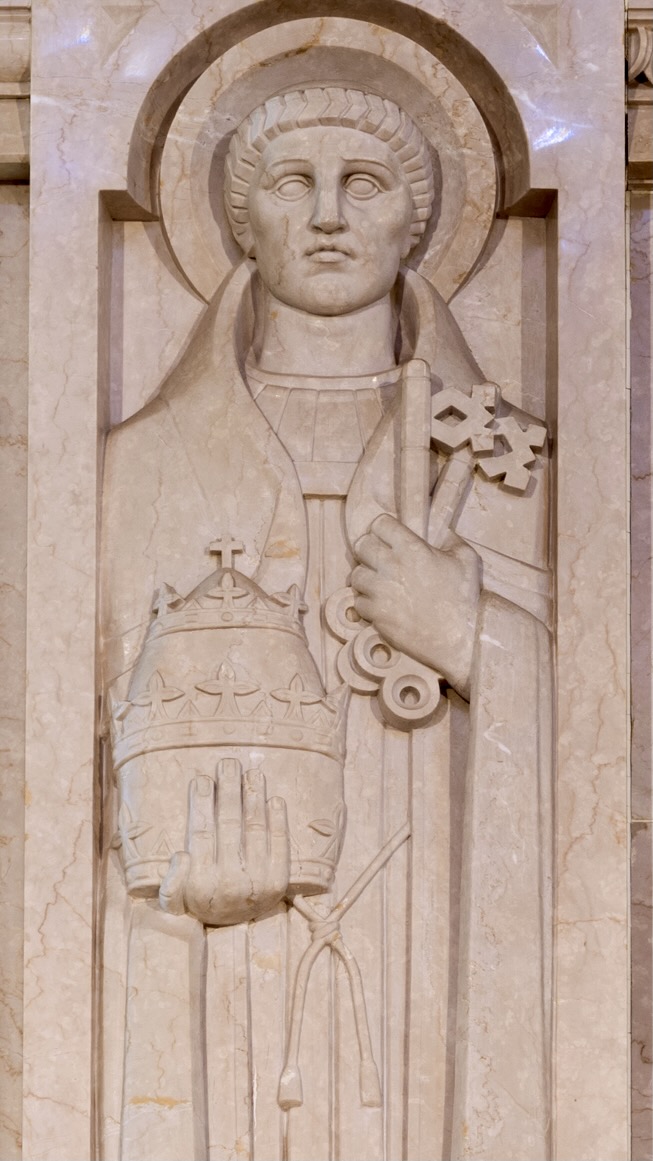
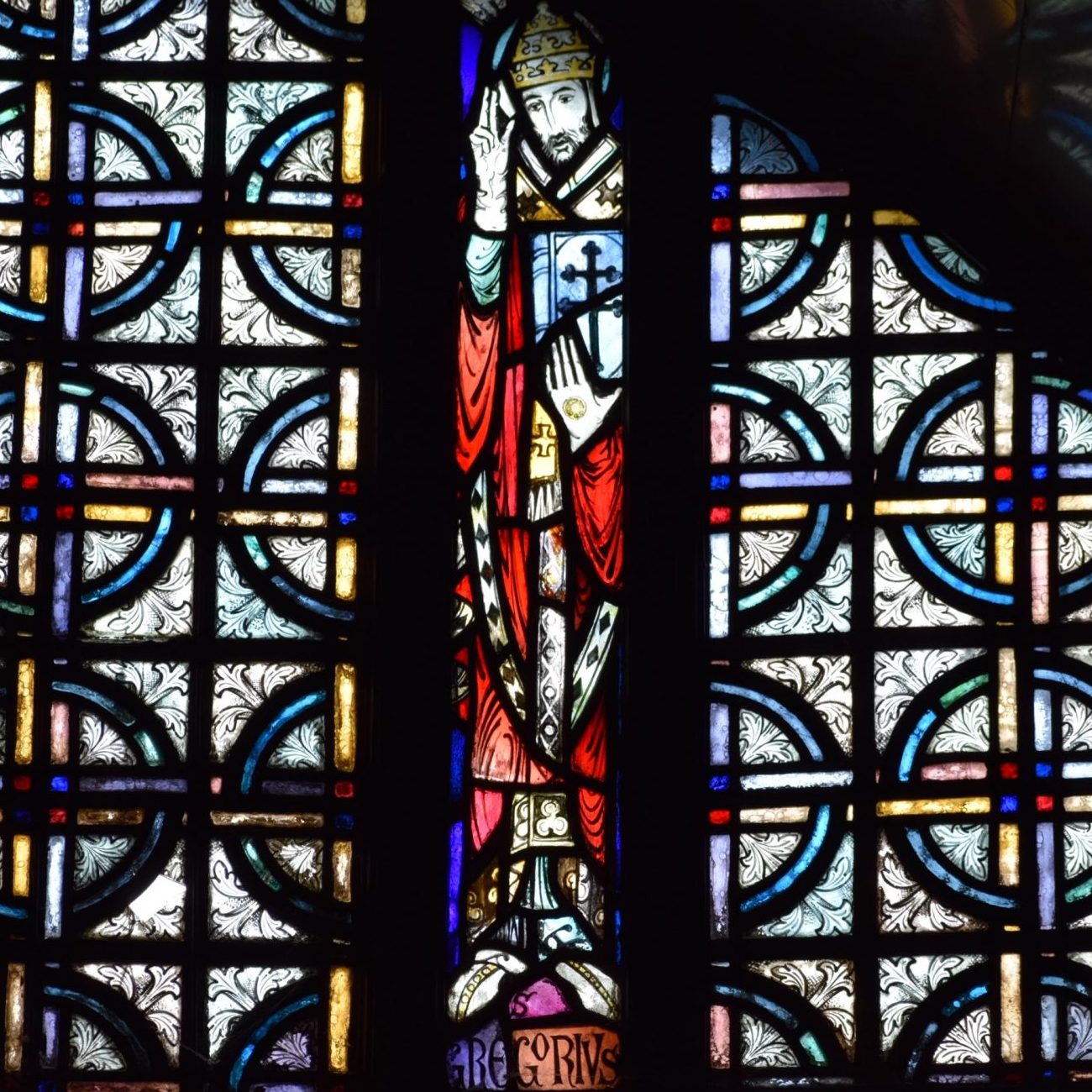
Even as he advanced in age and suffered from painful gout and gastritis, he continued to dedicate himself to service, dictating letters and tending to church business. Because of the leadership and direction Gregory provided not only for the Church, but also the people of Rome as a whole, he was canonized immediately after his death in 604. He is portrayed in the Basilica in a lunette window in the Crypt Church and in the Baldachin of the Great Upper Church.
Sources:
Butler’s Lives of Saints, ed. Bernard Bangley.
The Way of Saints, by Tom Cowan.
“Who are the doctors of the church? A chronological guide,” U.S. Catholic.