What does Christmas look like at America’s Catholic Church? As we celebrate the birth of Christ each year, we take part in traditions old and new, preparing our hearts with musical meditations, Masses, and more. In today’s post, we invite you to discover five facts about how we’ve celebrated Christmas at the National Shrine throughout the years.
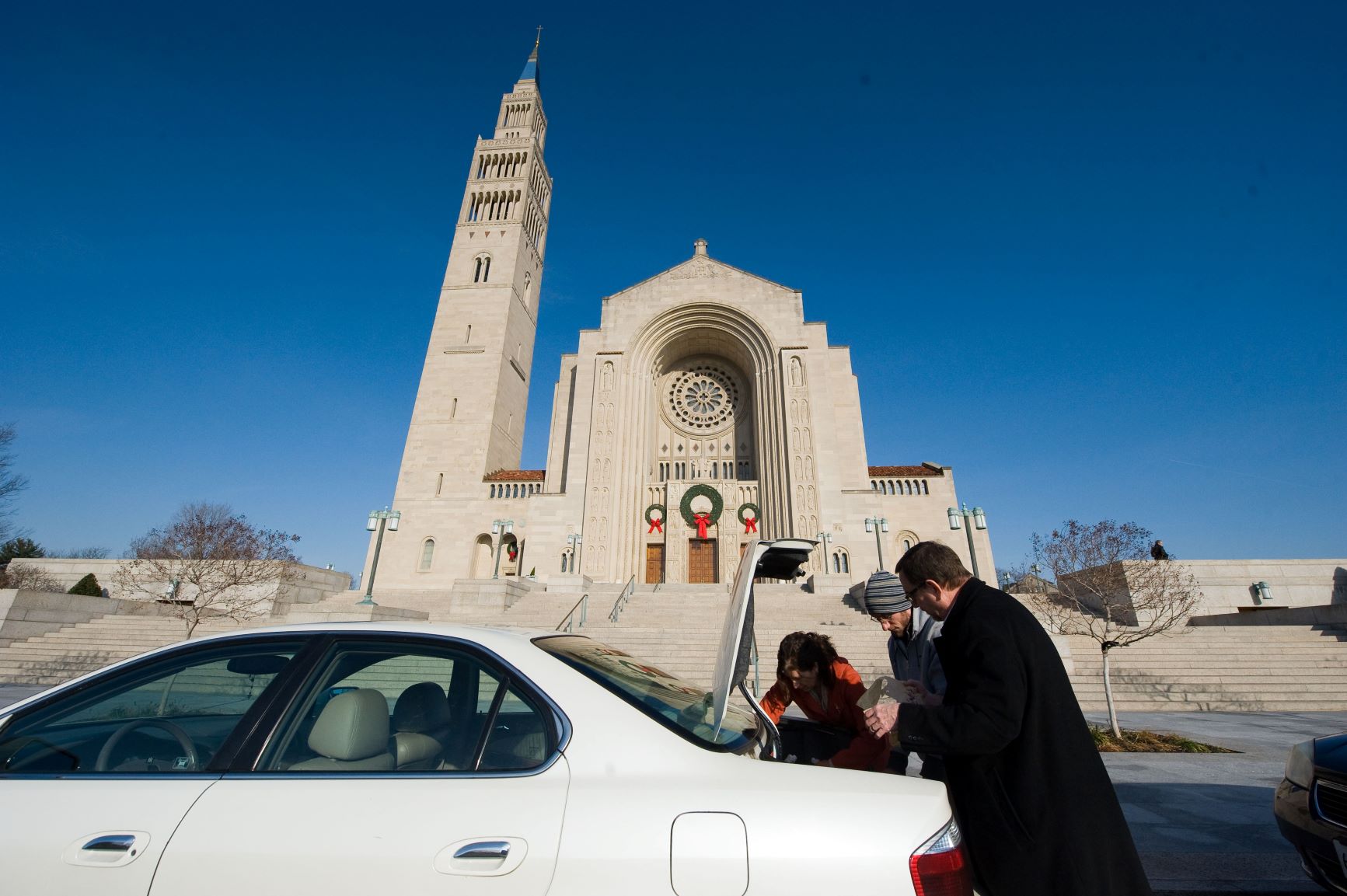
1. For over 40 years, the Basilica has provided a free Christmas dinner for 2,000 people in the community annually.
Thanks to the generosity of The Bob and Dolores Hope Foundation, each year the Basilica provides a free Christmas dinner to members of the local community who are in need. Started over 40 years ago, the Christmas dinner tradition was initially a joint effort by the Basilica and the Catholic Charities of Washington, D.C., but eventually became an exclusive Basilica event. Now, nearly 200 volunteers help prepare and deliver meals of turkey with dressing, sweet potatoes, greens, and more.
2. The National Shrine sent out its first Christmas cards 100 years ago.
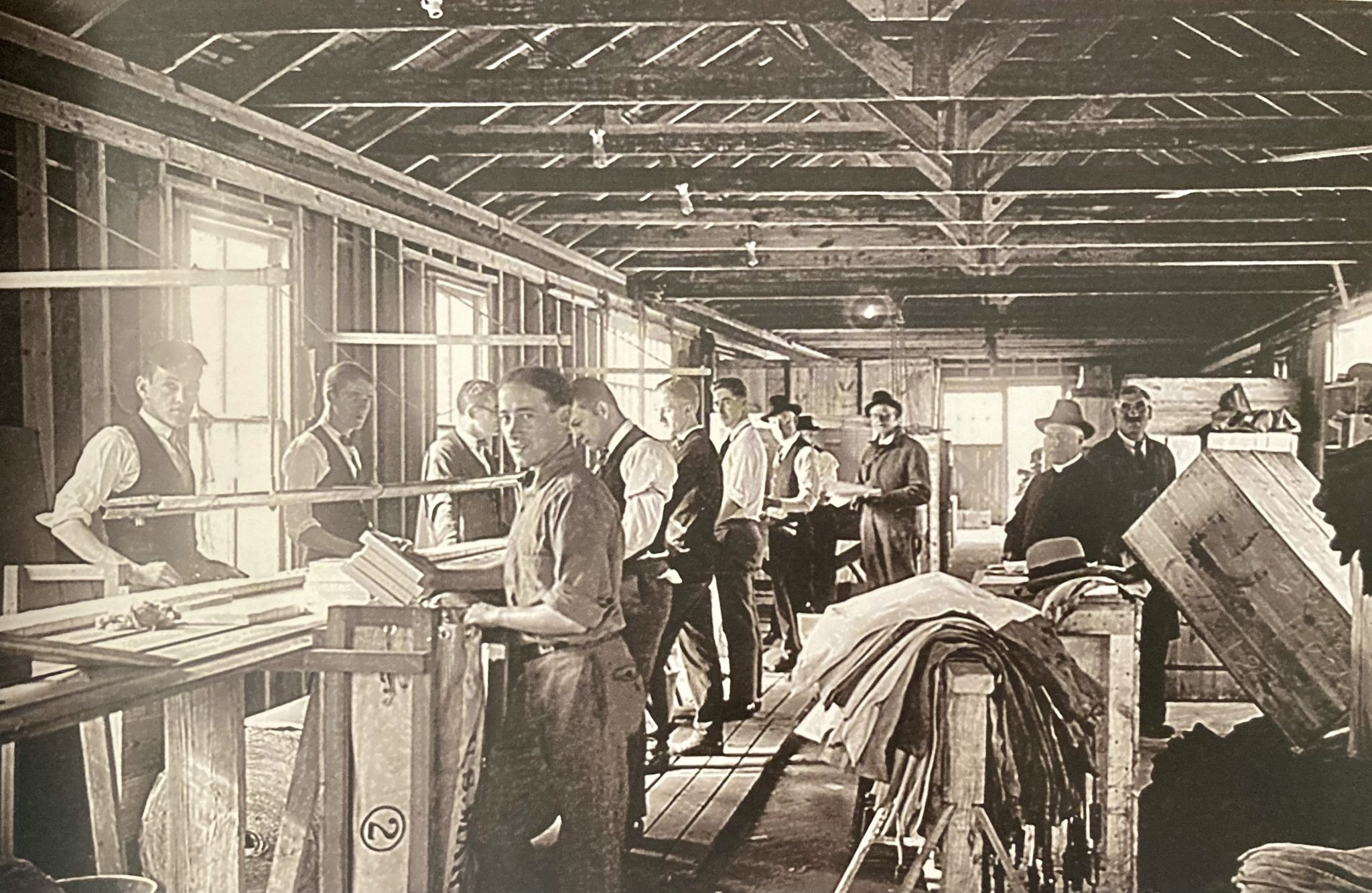
In the early days of the National Shrine, an organization called Salve Regina functioned as its official fundraising agency and produced a publication of the same title. In 1925, over five million cards were mailed from the Salve Regina headquarters to people across the world, marking the birth of the National Shrine Christmas card. Christmas Novena cards are still sent out every December, and can also be requested along with other devotional items for Christmas and Advent.
In the decades that followed, Salve Regina carried on the vital work of financial development for America’s Catholic Church, and the name of its flagship publication was changed to Mary’s Shrine in May 1959. Now, 65 years later, America’s Catholic Church continues to produce the Mary’s Shrine newsletter on a semi-annual basis, keeping its faithful supporters availed of the latest news, events, and additions to the patronal church of the United States. Read more about Salve Regina.
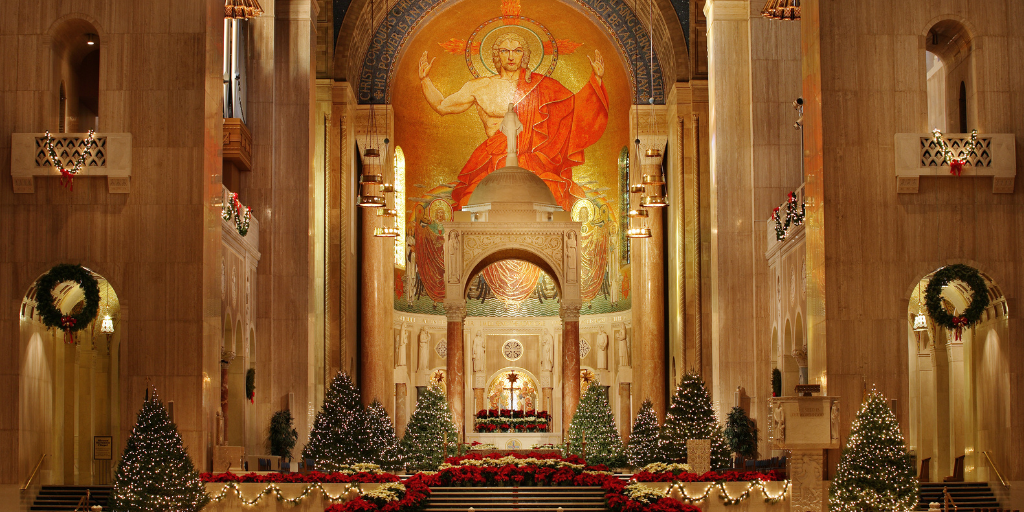
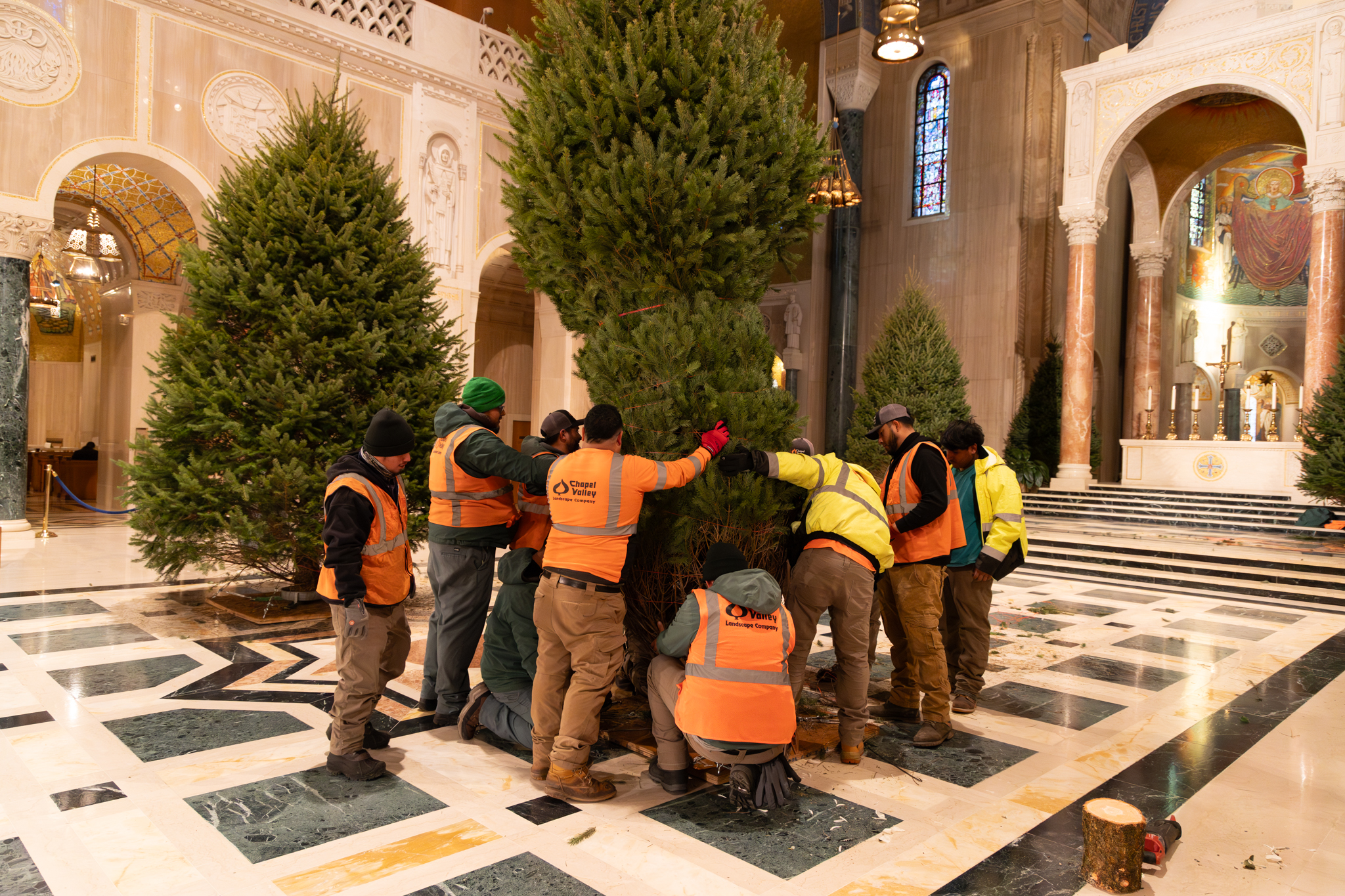 3. Over 65,000 lights decorate the inside and outside of the Basilica each Christmas.
And that’s not all! Every year, the Basilica is decorated with more than 60 real Christmas trees (some as tall as 18 feet!), 650 poinsettias, and two Nativity scenes, one of which is nearly life size. Over the course of multiple days, a team of Basilica staff members and dedicated volunteers work tirelessly to decorate the over 80 chapels and oratories located throughout the National Shrine. As you can imagine, adding 65,000 lights to all the trees and perfectly arranging so many poinsettias takes quite a bit of time! And it doesn’t end there. Throughout the Christmas season, immense care is taken to water all of the flowers and trees.
4. Every year, the Basilica hosts the Blessing of the Bambinelli.
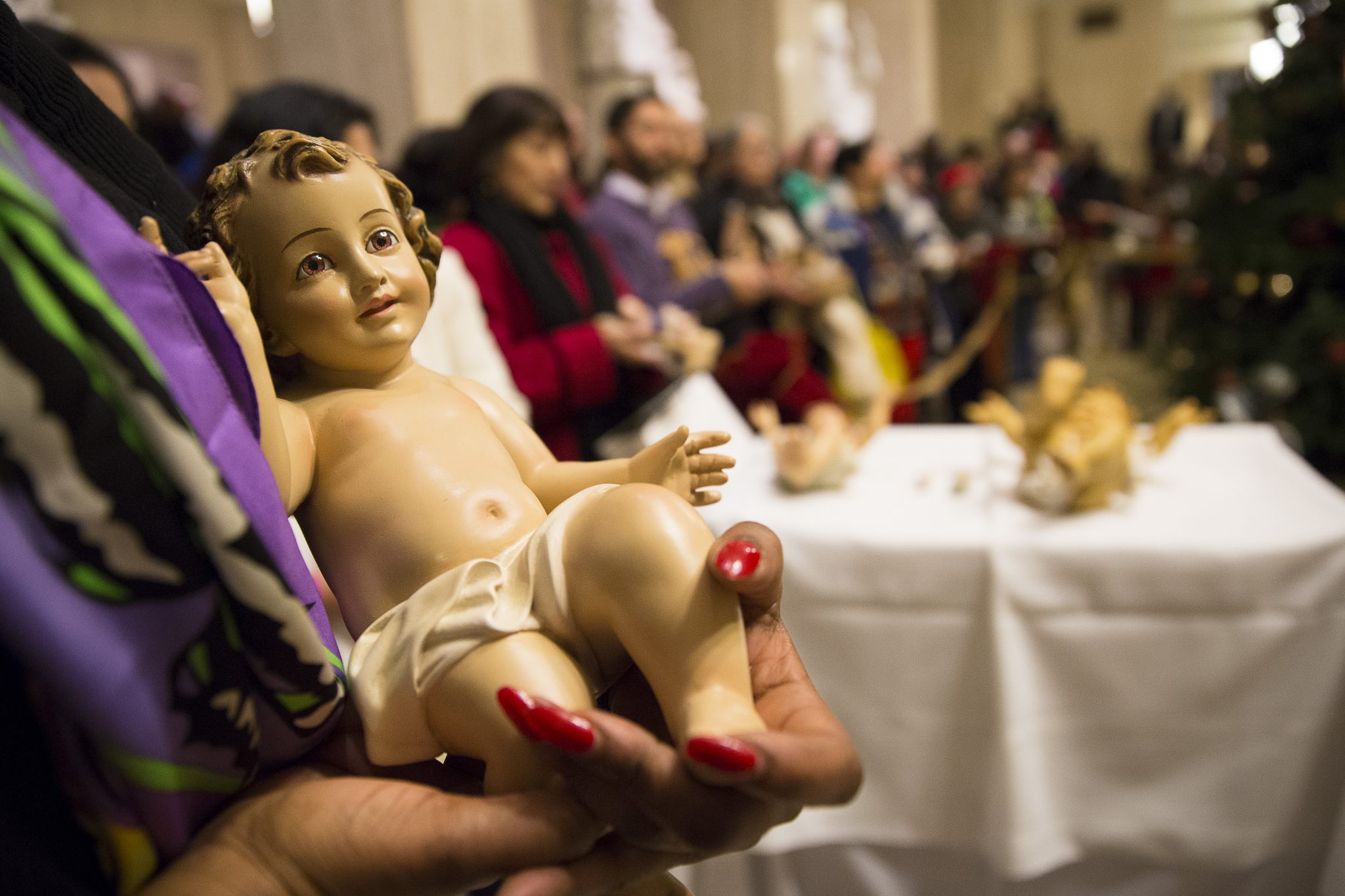
A beloved annual tradition at the Basilica, the Blessing of the Bambinelli was first instituted by St. John Paul II. On the Third Sunday of Advent, the children of Rome are encouraged to bring the Baby Jesus (Bambinelli) from each of their Nativity sets to St. Peter’s Square. Following the Sunday Angelus address, the Pope blesses the figurines.
Now celebrated in other churches around the world, this Advent tradition is a way for the faithful to connect their Nativity scene at home to the celebration of Christmas at their church. At the Basilica, the Blessing takes place on the Fourth Sunday of Advent and coincides with the lighting of the Christmas tree located in the Hall of American Saints. For more information on this year’s Blessing of the Bambinelli, you can visit the event post.
5. Over 15,000 pilgrims attend Mass at the National Shrine on Christmas Eve and Christmas Day each year.
Every Christmas Eve and Christmas Day, thousands of pilgrims join us for Mass at the Basilica to celebrate the birth of our Lord and Savior, Jesus Christ. In his reflections on the Christmas celebrations at the Basilica, Dr. Peter Latona, the Basilica’s Director of Music, once related:
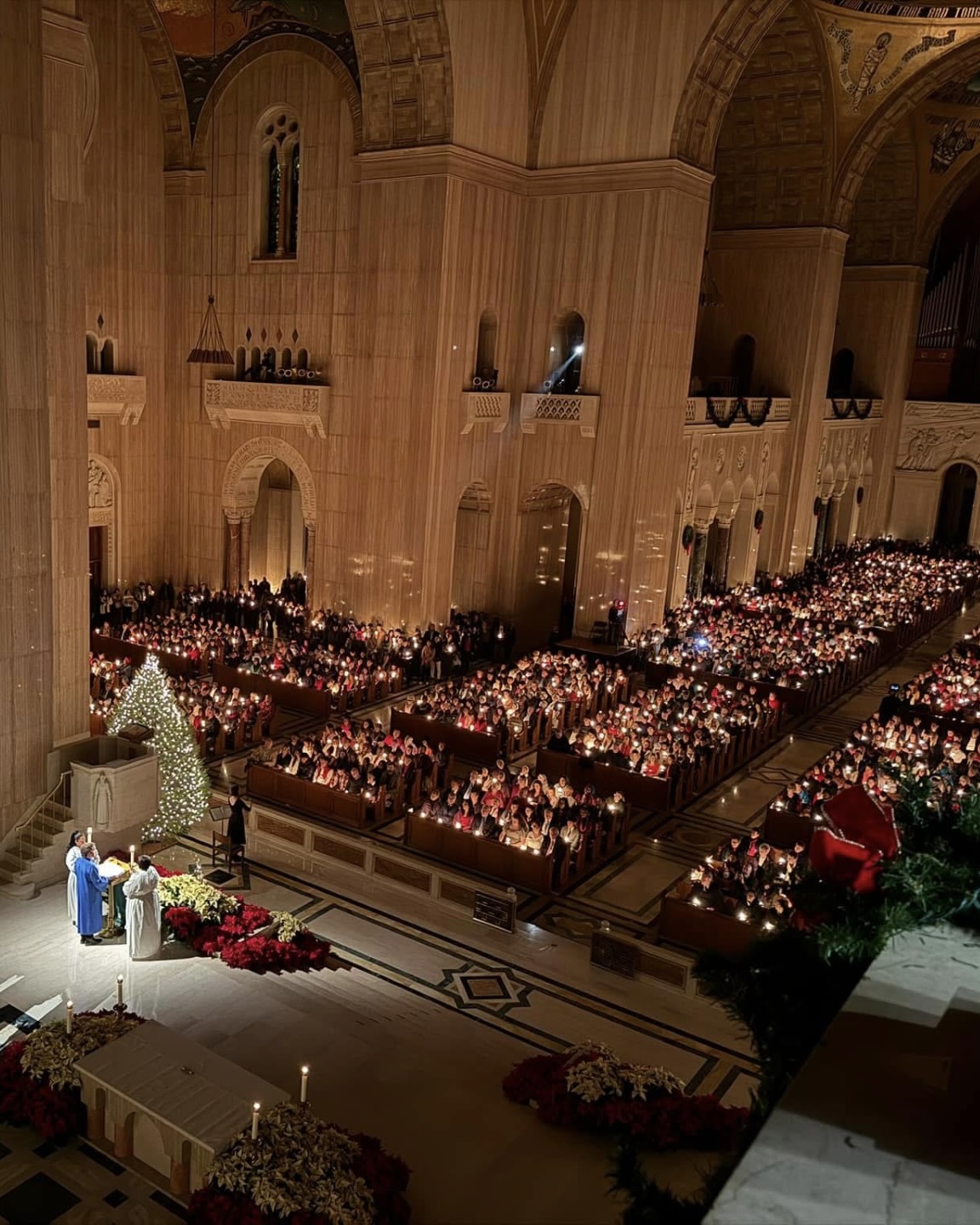
“For me, it seems as if the entire season is crystallized in one particular moment at the beginning of the Solemn Mass on Christmas Eve when the Christmas Proclamation of the Birth of Christ is announced by the cantor. Mass begins in complete darkness save for the warm glow created by the lit candles held in the hands of the thousands gathered. The cantor ascending to the ambo, declaims in a solemn tone the announcement of Christ’s birth as found in the Roman Martyrology dating back to the 16th century. It places the birth of Christ in the context of salvation history by delineating significant historical events and personages, both sacred and secular, beginning with the creation, through the Flood, Abraham and Sarah, Moses, King David, the foundation of Rome and finally, Octavian Augustus, at which point the highest note is used for the final phrase: ‘Jesus Christ… was born in Bethlehem of Judea of the Virgin Mary according to the flesh.’ (Proclamation of Christmas – Roman Martyrology)”
This Christmas, we joyously look forward to celebrating the birth of Christ with you and hope you will join us in person or virtually for Masses on Christmas Eve and Christmas Day.
Source:
Rohling. Jubilee 2009: A Photographic History of the Basilica of the National Shrine of the Immaculate Conception.