Have you ever wondered how the use of ashes originated, or how long it has been a part of Ash Wednesday practices? Do you know why Lent lasts 40 days?
As we observe Ash Wednesday, marking the start of Lent, we invite you to discover five things you may not know about this solemn day and the season it ushers in.
1. The 40 days of Lent are based on periods of trial and testing in the Bible.
Did you know the number 40 is mentioned 146 times in the Bible? Throughout Scripture, this number generally symbolizes a period of testing, trial, or probation.
The primary examples of this in the Old Testament involve Moses and Jonah. In Exodus, we read about how Moses lived 40 years in Egypt and 40 years in the desert before God selected him to lead his people out of slavery. When he received God’s laws, Moses was also on Mount Sinai for 40 days and nights on two separate occasions. Finally, when the Israelites needed to investigate the land God promised to them as an inheritance, Moses sent spies there for 40 days. In the book of Jonah, the reluctant prophet warns Nineveh for 40 days that destruction would come because of its many sins (Jonah 3:4).
In the New Testament, we find the number 40 is significant in the life of Jesus: Jesus fasted 40 days and nights, was tempted 40 days by Satan, and remained on earth 40 days after the Resurrection. Because of this, “by the solemn 40 days of Lent, the Church unites herself each year to the mystery of Jesus in the desert,” (Catechism of the Catholic Church 540).
 2. The placing of ashes on the head has been a part of Ash Wednesday practices for centuries.
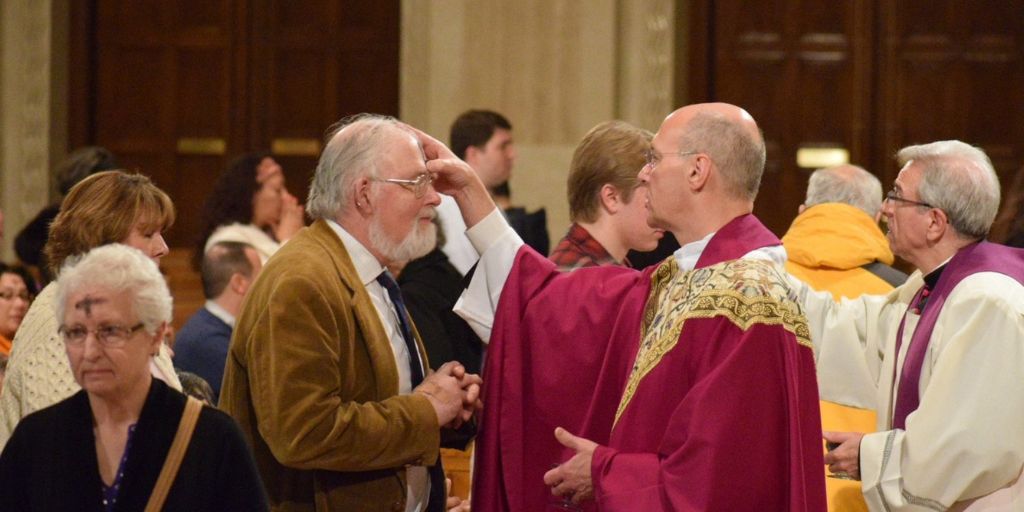
While historic accounts differ on the exact date, it is believed that the placing of ashes on the head became a part of Ash Wednesday practices around the year 1000, as a symbol of recognizing our sinfulness and repentance. Before this, the faithful observed different penitential practices on Ash Wednesday, such as wearing sackcloth and being sprinkled with ashes. In Masses today, clergy will rub ashes onto peoples’ foreheads in the shape of a cross, while declaring: “Remember that you are dust, and to dust you shall return,” or “Repent and believe in the Gospel.”
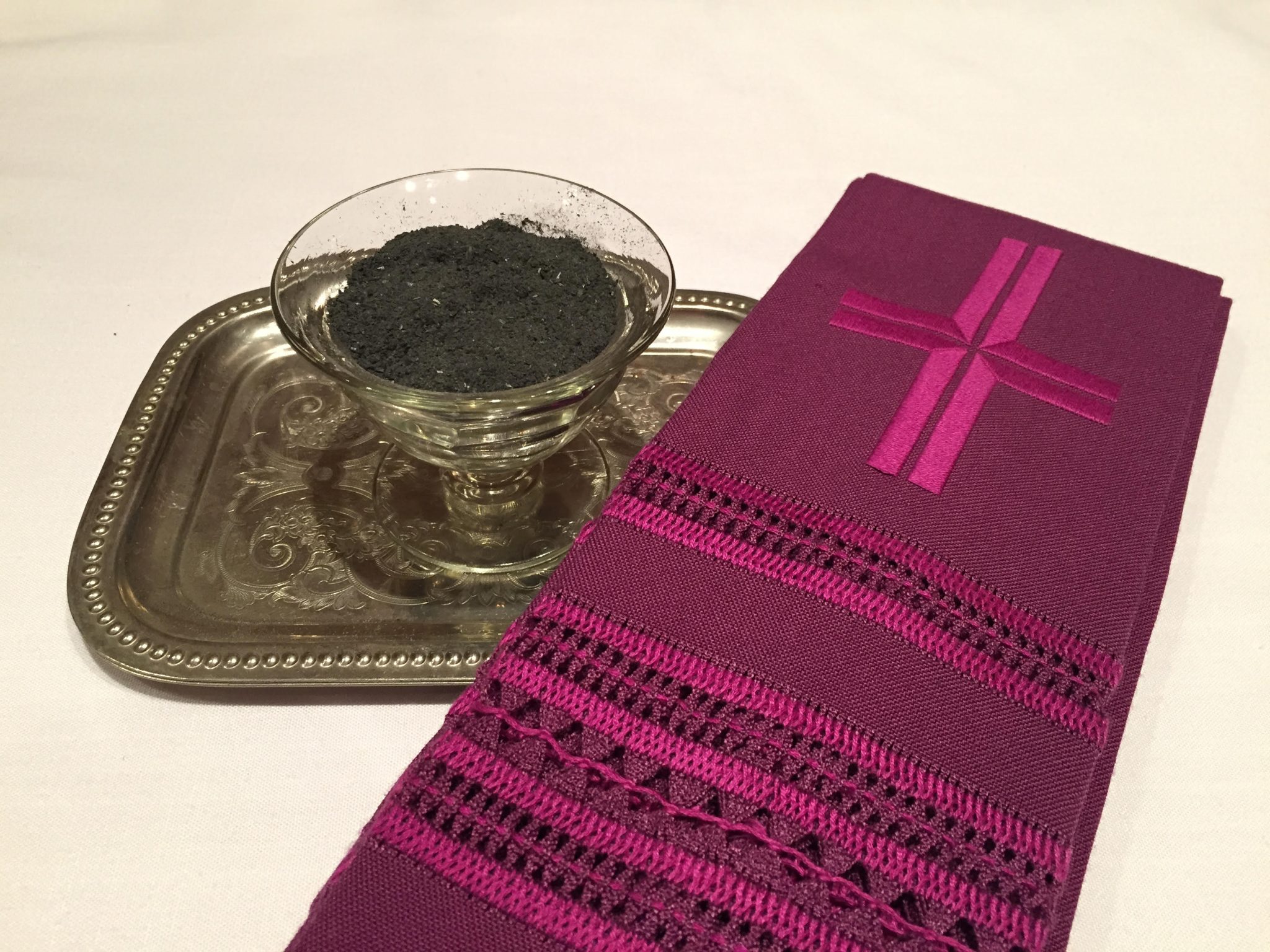
3. The ashes used during Mass on Ash Wednesday come from burnt palms that were blessed on Palm Sunday.
According to the USCCB, this practice “symbolically connects the beginning of Lent with its end, connecting our change of heart with Christ’s passion, death, and resurrection.”
4. The use of ashes finds its origin in the Old Testament.
While there are many references to the use of ashes in the Old Testament, perhaps the two most significant instances for Ash Wednesday are found in the books of Job and Jonah. In Job 42:6, Job remarks, “Therefore I disown what I have said, and repent in dust and ashes.” In Jonah 3:6, the King of Nineveh responds to Jonah’s preaching by casting aside his robe, donning sackcloth, and sitting in ashes. Throughout the Bible, ashes symbolize mortality, mourning, humility, and penance.
5. Anyone may receive ashes on their forehead as a memento mori.
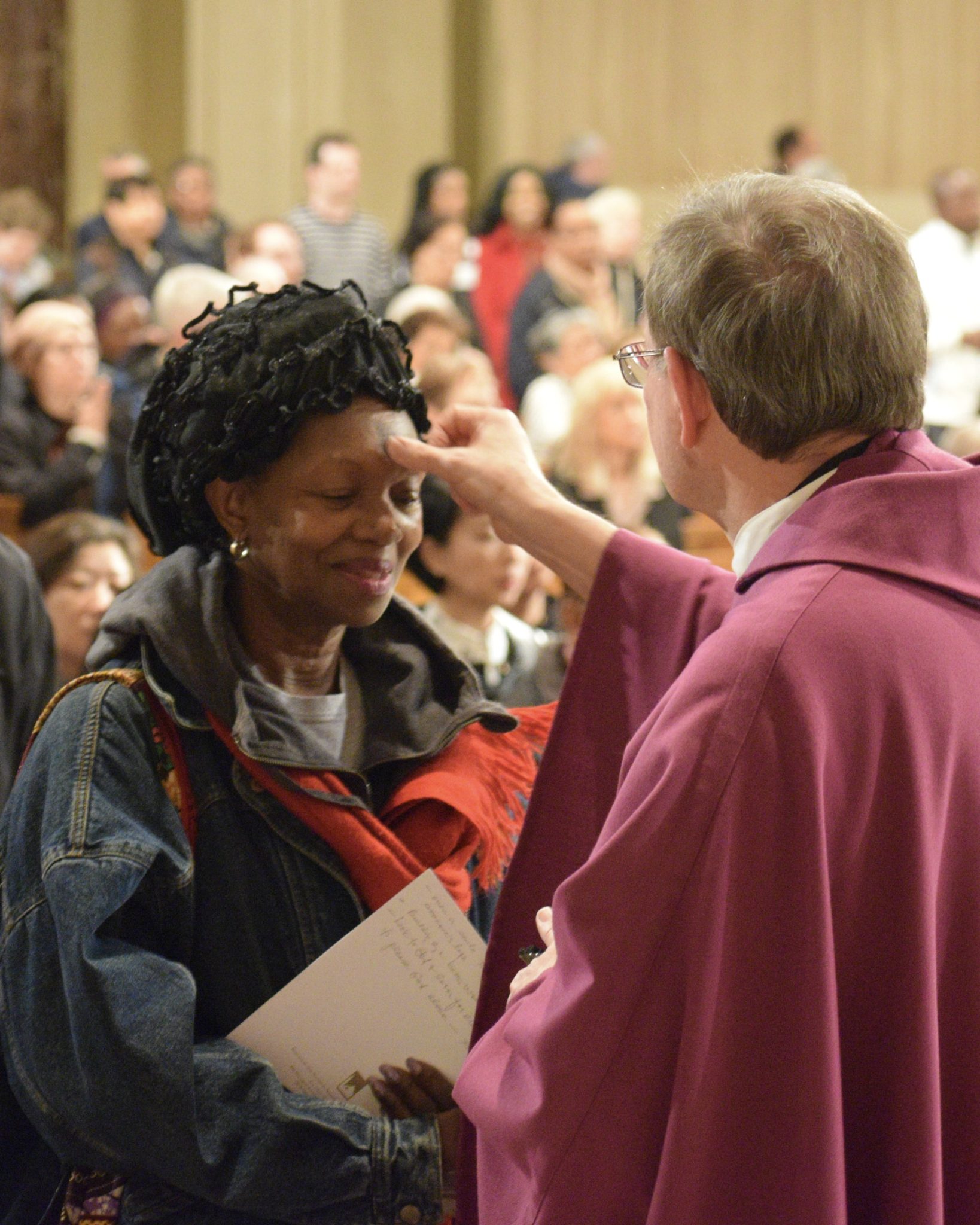 In the Catholic Church, the reception of ashes is not a sacrament, so anyone is welcome to participate in this practice, whether or not they are Catholic. The ashes serve as a reminder of our mortality, a “memento mori” – a Latin phrase which translates: “remember you must die.”
This mark of our mortality reminds us of why we observe this penitential season: to dedicate ourselves to spiritual renewal through Christ. It is only through repenting of our sins and choosing to follow Christ that we may share eternity with Him. By embracing self-denial during Lent, we choose to reflect on His selfless sacrifice for us on the cross, and thus dedicate ourselves to prayer, fasting, and almsgiving. As Monsignor Rossi once said:
“The word ‘Lent’ comes from the Old English, ‘Lenten’ or ‘lencten’ meaning the spring season or the lengthening of days. For the Christian, the Season of Lent is meant to be a time of spiritual renewal, a spiritual spring in which the soul is cleansed and renewed, allowing new life to bud forth. The sacrifices made during Lent make it possible for new life to blossom.”
This post was adapted in part from an interview with Monsignor Walter Rossi, Rector of the Basilica.
Additional Source:
“Ash Wednesday,” Brittanica.