St. Margaret of Cortona’s path to sainthood was far from typical. For nearly a decade, she was a slave to her passions, enjoying wealth and luxury without a care in the world. But when her lover was found dead, everything changed. In the years that followed, God transformed her life from one of lust and desperation to one consecrated to Him.
As we honor the anniversary of St. Margaret’s passing on February 22, we invite you to discover five facts about her life and legacy.
1. She was born on a farm in Tuscany.
Margaret was born on a small farm in Tuscany in 1247. Tragically, her mother died when she was very young, and the stepmother who raised her was neglectful and unkind.
2. She fell in love with a nobleman and ran away with him to his castle.
By her early teens, Margaret found her life unbearable – and when a debonair nobleman waltzed into her life with the promise of an escape, she fell madly in love and ran away with him to his castle. For nearly a decade, she lived with him as his mistress, basking in the opulence of glittering jewels and finery. She even had her own horse, which she rode audaciously through the streets, without a care for the scandal she had caused. Together, she and the nobleman had a son.
3. She turned to repentance and service after her lover’s death.
Margaret’s life of luxury was not meant to last; one day, the marred body of her lover was discovered beneath a pile of leaves. Left to raise her son all alone without any true wealth to her name, she fled with him to her father’s home and pleaded with him to take them in. Sadly, her stepmother still held power over his mind, and at her urging, he turned Margaret away.
4. She founded a hospital and an order of Franciscan women, the Poverelles, to oversee its operations.
Desperate, dejected, and alone, Margaret sought refuge in Cortona, where two kind women helped her as she endeavored to start anew. In the years that followed, she moved to her own cottage and publicly repented of her sin, living on alms while she gave away her own possessions to the poor and worked as a nurse. She eventually founded a hospital and an order of Franciscan women, the Poverelles, to oversee its operations.
5. Her patronage includes single mothers, stepchildren, and the homeless, among others.
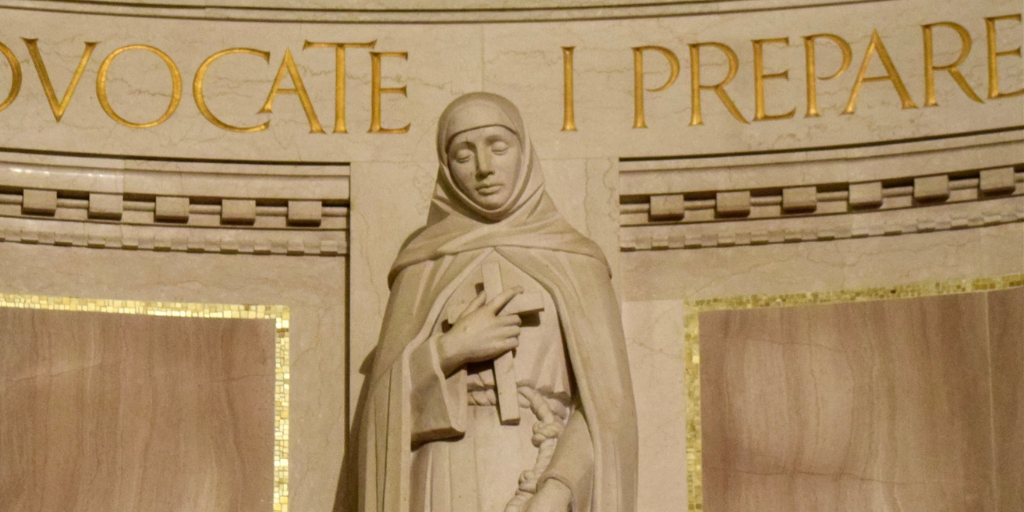
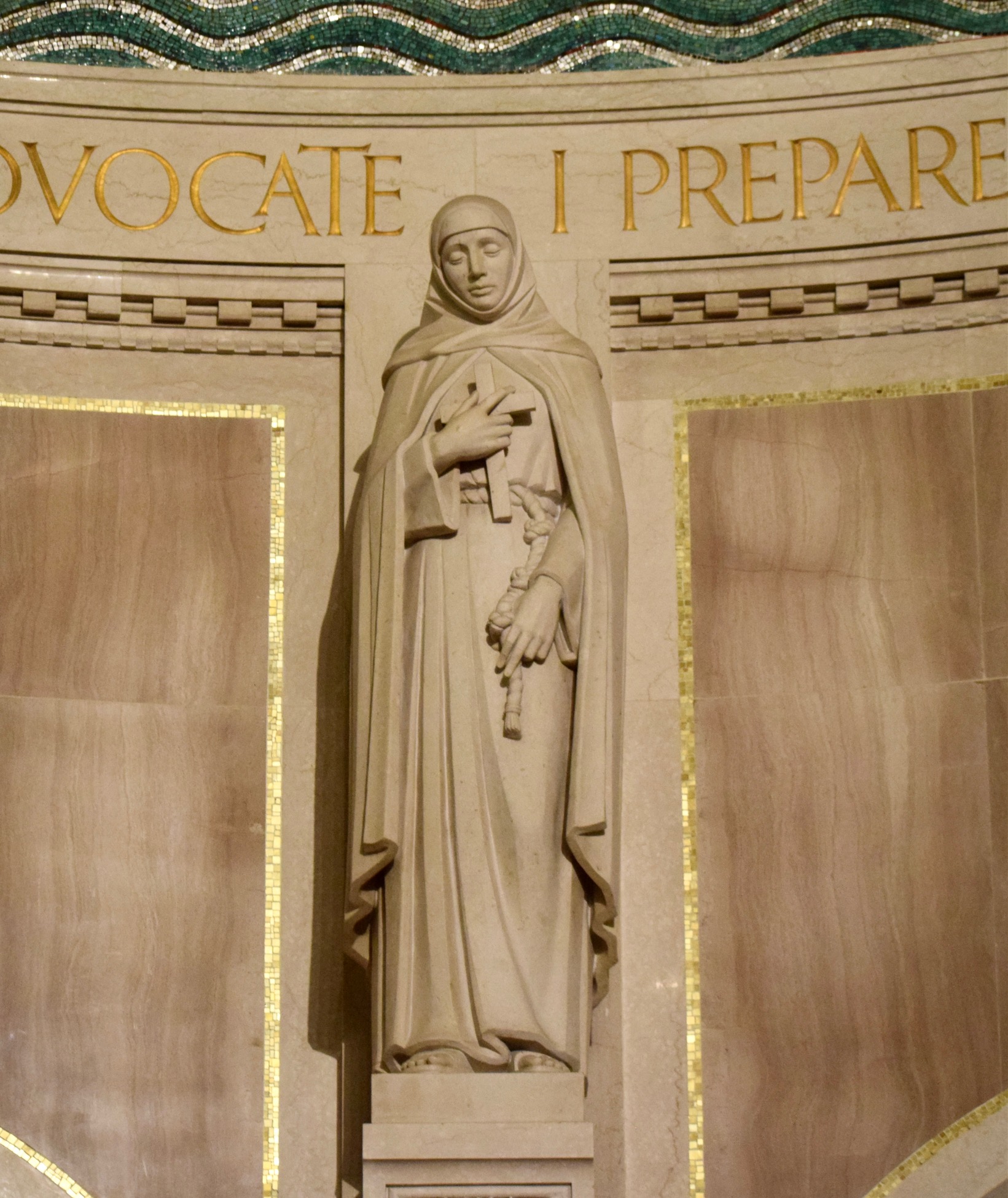
Despite the psychological turmoil she suffered in her final years, Margaret served ever faithfully until her death at age 50. You can find her portrayed in the North Apse of the Great Upper Church in the Basilica.
Sources:
Butler’s Lives of Saints, ed. Bernard Bangley
The Way of Saints, Dr. Tom Cowan